PRODUCT FACTS商品情報
Brand銘柄Kubota久保田
Grade特定名称Junmai Daiginjo純米大吟醸
Polishing精米歩合50%50%
Rice酒米Gohyakumangoku五百万石
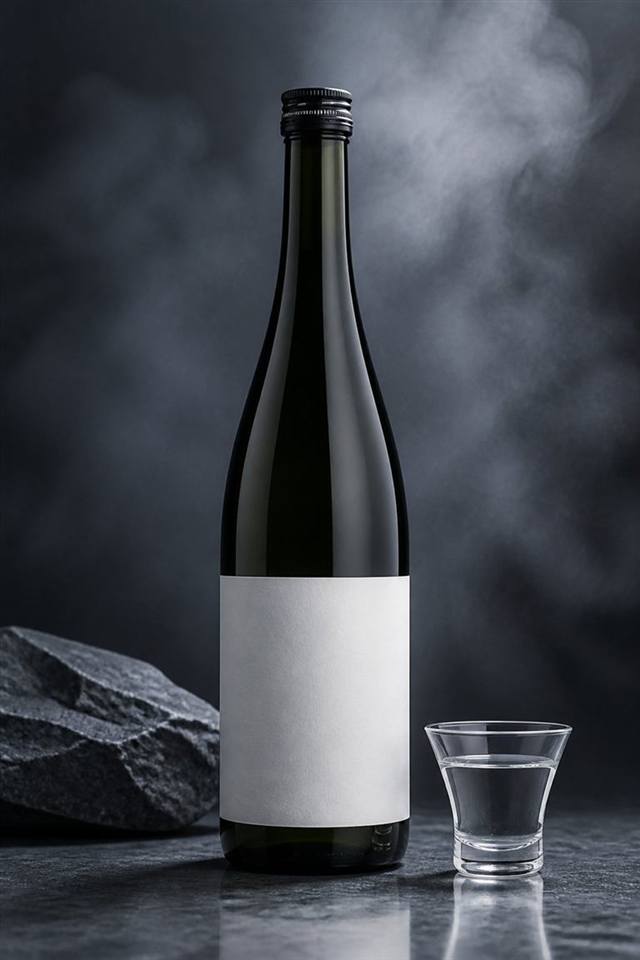
Kubota · Junmai Daiginjo
Look for pear, melon and lifted aromatics in Kubota Junmai Daiginjo. The Junmai Daiginjo classification, Gohyakumangoku and 50% provide the most useful factual context for its balance. Sashimi, Seafood and Japanese cuisine are suitable starting points because their flavour does not obscure the sake's aroma and finish.久保田 純米大吟醸では、洋梨、メロン、華やかな香りを味わいの目安にしてください。五百万石と精米歩合50%が、特定名称と並ぶ具体的な情報です。刺身、魚介料理、和食のような料理なら、香りや余韻を覆いにくくなります。
PRODUCT FACTS商品情報
HOW IT IS MADE
Kubota Junmai Daiginjo is brewed as Junmai Daiginjo using Gohyakumangoku at 50%. The ginjo method uses highly polished rice and carefully controlled fermentation to develop aroma and a clean profile. The Junmai designation means it is made without added distilled alcohol.
造り・製法
久保田 純米大吟醸は、五百万石を50%まで磨いて造る純米大吟醸です。吟醸造りでは、よく磨いた米を使い、発酵温度を丁寧に管理して香りと透明感を引き出します。純米の表示は、醸造アルコールを添加しないことを示します。
WHY IT IS DIFFERENT
Within the Kubota range, Kubota Junmai Daiginjo is recorded as Junmai Daiginjo using Gohyakumangoku at 50%. Kubota Hyakujyu is listed as Tokubetsu Honjozo using Gohyakumangoku and other rice at 60%. Grade, rice and polishing are concrete reasons to expect a different aroma, texture or finish; they do not establish a simple quality ranking.
ほかの商品との違い
久保田の中で、久保田 純米大吟醸は五百万石を使い、精米歩合50%の純米大吟醸です。久保田 百寿は五百万石ほかを使い、精米歩合60%の特別本醸造として掲載されています。特定名称、酒米、精米の違いが香りや質感、後口の差につながりますが、単純な優劣を示すものではありません。
TASTE PROFILE味わい
UNDERSTAND THE STYLEスタイルを理解する
SOURCE & FURTHER READING出典・追加情報
MY NOTE · FREE
Sign in to save your tasting notes and photos.
Sign in or create an account →COMMUNITY REVIEWS